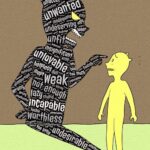
Self-sabotage and self-destructive behaviors are common struggles that often motivate people to seek therapy. Despite a conscious desire to change, many find themselves acting against their own best interests while trapped in cycles of avoidance, procrastination, addiction, infidelity, or unhealthy relationships.
Traditionally, psychology has labeled such behaviors as “masochistic,” suggesting an unconscious drive toward self-punishment. However, this explanation can feel incomplete and disempowering, leaving people wondering why they would seemingly work against themselves.
In my experience, Internal Family Systems (IFS) offers a more nuanced and compassionate understanding of these painful patterns. Rather than being driven by an unconscious desire to suffer, self-sabotaging behaviors often stem from an internal struggle between wounded exiles—younger parts of us that hold the pain of shame, fear, and unworthiness—and protector parts that work tirelessly to suppress this pain. These protectors use a wide range of strategies that, while effective in keeping pain at bay, can lead to other significant problems.
To fully understand self-sabotaging behavior, we need to explore the roles of these parts and the internal dynamics that drive these behaviors.
Understanding the Core Dynamic: Exiles and Protectors
IFS describes the psyche as being composed of different parts, each with their own feelings, beliefs, and motivations. These parts exist within a system that is meant to be regulated by the Self, which is a person’s compassionate, wise core. According to IFS, we all have this inner core of wholeness, resilience and wisdom, which remains intact despite life’s challenges. When we access this Self, we experience qualities like calmness, clarity, and connectedness.
However, when trauma, neglect, or painful experiences occur, our inner world of parts can become polarized and conflict with each other, leading to a wide array of psychological and emotional challenges that can be very painful.
To deepen our understanding of self-sabotaging behaviors, let’s examine these core features of Internal Family Systems therapy and how they illuminate the dynamics of self-sabotaging behaviors.
Exiles: Wounded Inner Children Carrying Painful Burdens
Exiles are the young, vulnerable parts of the psyche that hold the emotional wounds from early life experiences. They carry deep burdens of shame, fear, rejection, unworthiness, and abandonment—internalizing painful beliefs such as “I am unlovable”; “If people saw the real me, they would run the other way”; or “I don’t truly deserve my success; I’m just an imposter who will be found out—and humiliated—sooner or later.” These distorted self-perceptions often stem from childhood experiences of neglect, emotional, physical or sexual abuse, or unmet needs for love and security.
Because the pain of the exile is so intense, the mind develops ways to keep these parts hidden, preventing them from overwhelming the system. While this self-protective mechanism helps maintain emotional stability in the short term, it also creates an internal divide, leaving these wounded parts isolated and unheard.
Over time, the weight of suppressing exiles becomes undeniable, surfacing as chronic avoidance, self-sabotage, emotional detachment, and an ever-growing sense of numbness. Healing begins when these exiled parts are acknowledged and given the care they were denied, allowing for the integration of past wounds into a more compassionate and whole sense of self.
Protectors: The Defenders Against Pain
Protector parts work hard to prevent the exiled pain from surfacing because that pain is perceived as intolerable and as a force that will completely overwhelm a person. There are two primary types of protectors:
- Managers: These are proactive parts that control one’s behavior to prevent the exile from being triggered (e.g., perfectionism, people-pleasing and always getting along with others, being hyper-independent and avoiding the risk of giving someone the power to hurt you).
- Firefighters: These are reactive parts that step in when exiles get activated and pain is breaking through (or about to break through) into consciousness. Firefighters use extreme behaviors to numb or escape the pain (e.g., addiction, self-harm, aggression, affairs, secrecy, reckless behaviors).
How the Exile-Protector Dynamic Leads to Self-Sabotaging Behaviors
As these protector parts take control, they often rely on well-worn patterns of avoidance, perfectionism, people-pleasing, or even self-destructive behaviors to keep the exiled emotions at bay. While these strategies may offer temporary relief, they ultimately reinforce the very wounds they seek to protect, deepening the sense of isolation, shame, or unworthiness.
Over time, this dynamic can create an internal battlefield where your inner experience feels fragmented, caught between the exiled pain of the past and the protectors’ desperate attempts to control the present.
Acting Out Through Self-Destructive Behaviors
Firefighters often engage in extreme coping mechanisms to suppress the exile’s pain. Examples include:
1. Sexual acting out (e.g., affairs, compulsive pornography use, risky sex)
When deep wounds of abandonment or worthlessness remain unhealed, protector parts may turn to sexual acting out as a way to momentarily soothe the pain. In these instances, sexualization becomes a powerful defense against emotional distress. Engaging in affairs, compulsive pornography use, or risky sexual encounters can provide a fleeting sense of validation, desirability, or control.
However, because these behaviors do not address the root wound, they often perpetuate cycles of shame and self-rejection, reinforcing the exile’s belief that love and acceptance are conditional or unattainable. Over time, this coping mechanism can lead to fractured relationships, chronic patterns of secrecy, and an even deeper sense of disconnection from one’s true self.
2. Substance abuse (drugs, alcohol, food binges)
Substance abuse often functions as a numbing strategy when an exile’s pain becomes too overwhelming to bear. Whether through drugs, alcohol, or compulsive overeating, this protector part attempts to dull or escape emotions such as shame, loneliness, grief, or fear. In the moment, these substances provide temporary relief, creating an illusion of control or detachment from painful memories.
However, as dependence grows, the original wounds remain unprocessed, and new layers of guilt, addiction, and self-loathing can develop. This cycle makes it increasingly difficult to access the core pain in a healthy way, trapping the individual in a self-perpetuating loop of avoidance and suffering.
3. Self-harm (cutting, burning, reckless behavior, suicidal ideation)
For some, self-harm becomes an extreme means of either silencing the exile’s unbearable emotional pain or externalizing internal suffering in a visible, tangible way. Cutting, burning, or engaging in reckless behaviors can serve as a misguided attempt to regain control, express unspoken anguish, or momentarily relieve emotional numbness. In some cases, suicidal ideation emerges when the protector parts see no other escape from the exile’s persistent wounds.
While these thoughts or actions may offer a temporary sense of relief or release, they often reinforce feelings of isolation, shame, and powerlessness. True healing requires not only addressing the behaviors but also tending to the exiled parts that are crying out for understanding, care, and integration.
Self-Sabotage in Relationships
Protector parts fear vulnerability because it could bring exposure to the exile’s deep wounds. Being truly known and seen by someone you respect and care about can feel like a threat to a protector part that is covering up shame or beliefs of unworthiness. This can result in:
1. Blocks to intimacy (fear of being abandoned or rejected again)
When an exile carries the deep wounds of past abandonment or rejection, it learns to associate closeness with pain. The belief that “If I get close, I’ll be hurt again” takes root, and in response, a protector steps in to safeguard against potential emotional harm. These beliefs may not be fully conscious, but behind the veil they have a powerful influence on the course of one’s life. This protector may create distance through avoidance, emotional withdrawal, or even hostility, ensuring that no one gets too close.
Many trauma survivors develop strong avoidant tendencies, instinctively keeping others at arm’s length—even when another part of them longs for deep, meaningful connection. This internal conflict can make intimacy feel both intensely desired and profoundly dangerous, leading to repeated cycles of pushing others away while simultaneously craving their presence. Overcoming these blocks requires acknowledging and healing the wounded exile, a healing that will open the possibility for a new experience of closeness that feels safe and nurturing.
2. Testing or provoking partners (triggering rejection to reinforce a core belief)
An exile burdened with deep shame may carry the painful beliefs, “I’m unlovable” or “I’m loathsome.” To protect against the agony of waiting for what feels like inevitable rejection, a protector part may take a proactive approach—pushing partners away, starting conflicts, or behaving in ways that provoke disappointment or abandonment. This creates a self-fulfilling prophecy, reinforcing the exile’s conviction that rejection is the only possible outcome. But from the protector’s perspective, it’s better to control what feels inevitable than to passively endure the anticipated suffering.
The cycle is both painful and predictable: the exile expects to be unloved, the protector ensures it happens, and the core belief is strengthened. In reality, these behaviors are not conscious attempts to sabotage relationships; rather, they are deeply ingrained survival strategies aimed at making painful emotions feel more predictable and controlled. Breaking free from this cycle requires an understanding of the protector’s role and healing the deep attachment wounds that keep it active, so it no longer feels the need to intervene.
3. Choosing toxic relationships (subconscious re-creation of childhood wounds)
When an exile carries unresolved childhood wounds, it often seeks out relationships that unconsciously mirror early experiences of pain, neglect, or abuse. This process, though unintentional, is a way of attempting to master past trauma—hoping that, this time, the outcome will be different. The exile longs to heal, but instead, these parts find themselves trapped in familiar cycles of toxicity, drawn to partners who reinforce old wounds rather than mend them.
These unconscious patterns can feel like fate, leading individuals into relationships that perpetuate suffering rather than provide safety and connection.
These unconscious patterns can feel like fate, leading individuals into relationships that perpetuate suffering rather than provide safety and connection. True healing requires bringing these patterns into awareness, understanding the exile’s desperate attempts to make sense of its past pain, and fostering relationships that nurture rather than re-traumatize. Only then can the exile finally receive the care, stability, and love it has always needed.
Procrastination and Fear of Success
Some protector parts prevent success because they associate it with pain or risk:
1. Fear of visibility (hiding talents, avoiding opportunities)
When an exile carries childhood shame from being humiliated, criticized, or punished for standing out, it learns that visibility is dangerous. The protector, in an attempt to shield the exile from further pain, suppresses ambition and encourages behaviors like staying quiet, downplaying achievements, or avoiding situations where success might attract attention.
While this protective strategy keeps the exile safe from potential judgment, it also limits growth, fulfillment, and self-expression. Over time, hiding one’s talents or avoiding opportunities can reinforce feelings of inadequacy and regret, creating an internal conflict where the desire to be seen clashes with the fear of exposure.
2. Procrastination and self-sabotage in work or creative pursuits
For an exile burdened with the core belief “I’m not good enough,” any effort to pursue meaningful work or creative expression can feel like a direct confrontation with failure. To protect against the potential pain of rejection, embarrassment, or perceived inadequacy, a protector may step in through procrastination, distraction, or outright self-sabotage. By delaying tasks or abandoning projects before they can be judged, the protector ensures that the exile never has to face the possibility of not measuring up.
While this avoidance may provide temporary relief, it ultimately deepens the exile’s feelings of worthlessness and prevents the individual from realizing their true potential.
These patterns feel like self-sabotage, but they’re actually survival strategies.
On the surface, these behaviors can appear irrational and self-defeating. Many people feel trapped and suffocated by these automated patterns, unable to understand or break free from their grip. But from an IFS perspective, what is unfolding is an internal-behavioral protective dance designed to keep the inner system of parts stable—in short, to keep you safe.
The IFS perspective highlights the following:
- When the system views the exile’s pain as dangerous → protectors believe their actions are necessary for survival.
- Self-sabotage is not about self-hatred, but about self-preservation → the protector part is desperately trying to prevent emotional flooding and overwhelm.
- Acting out is an attempt to regulate, not destroy → behaviors like affairs, substance abuse, or avoidance are strategies for managing unbearable emotions.
The paradox is that while protectors aim to protect, their actions often create more suffering and on the surface appear as self-sabotaging, reinforcing the exile’s original wounds.
Key Takeaways
1. Your self-sabotaging behaviors are actually survival strategies.
What may seem like self-destruction is actually a form of self-protection. These behaviors are not signs of weakness or failure, but rather, survival strategies developed early in your life by different parts of you in response to psychological and emotional pain. Each part is acting in the only way it knows how to keep you safe, even if the methods are no longer helpful.
2. The goal is not to eliminate parts but to listen to them.
Healing does not come from suppressing or rejecting these parts, but from understanding their fears and intentions. When exiles feel safe and unburdened, the need for extreme protective behaviors naturally decreases. By approaching these parts with curiosity rather than resistance or fear, you create space for transformation.
3. Healing happens when exiles are given care and protectors are given new roles.
The protectors that once relied on avoidance, perfectionism, self-sabotage or other destructive behaviors can learn healthier ways to support you. As old wounds heal, these parts no longer have to work so hard to shield you from pain. Instead, they can take on new, more constructive roles, allowing for a greater sense of internal harmony and emotional freedom.
4. Self-compassion is key.
Fighting against your thoughts and behaviors only deepens internal conflict. Instead, learning to work with your system—rather than against it—creates lasting change. When you approach yourself with kindness and patience, healing becomes a collaborative process rather than a battle, making space for growth, connection, and a more balanced way of being.
~~~
Self-sabotage is incredibly frustrating and confusing. Why do we procrastinate when it comes to opportunities we genuinely desire? Why do we push away people we love? Why do we engage in destructive behaviors even when we know they hurt us (and, potentially, those we care about)?
From an Internal Family Systems perspective, what may seem like self-sabotage is, at its core, an unresolved struggle between the wounded parts of us that carry deep pain and the protective parts that have worked tirelessly to keep that pain at bay.
These protective strategies—even when they are self-damaging—are not signs of failure but evidence of survival. However, survival is not the same as healing. When we engage with these parts, not as enemies to eliminate but as aspects of ourselves that need understanding, we begin to break free from cycles of internal conflict and emotional suffering.
Healing is not about forcing change but about creating the conditions where change can happen naturally. As exiles are met with care and protectors are given new roles, the mind no longer has to rely on extreme measures to maintain balance. This shift does not happen overnight, nor is it a linear process, but with patience and self-compassion, individuals can move toward a life where their choices are not dictated by old wounds.
~~~
Rich Nicastro, PhD, is a clinical psychologist with over 25 years of experience helping individuals and couples navigate a wide range of issues. He incorporates Internal Family Systems (IFS) therapy into his work to support deep healing and personal growth. Dr. Nicastro offers teletherapy to clients across the United States. To work with him or join his waiting list, please email Rich@RichardNicastro.com.